Monday, December 22, 2025
Winter Driving Tips
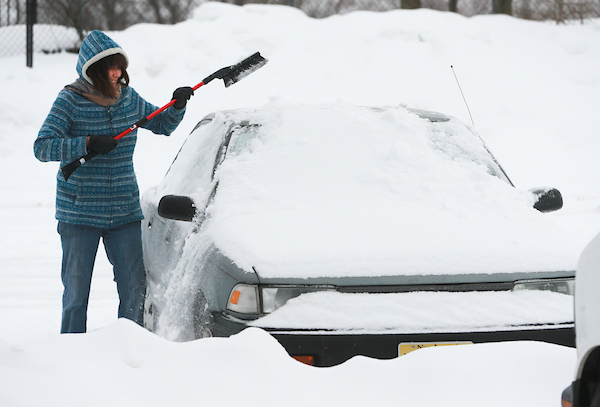
The winter solstice is here. If it's been awhile since you've heard that phrase, it just means that the winter season is officially upon us (it's the time of year when the Earth is furthest from the Sun - makes sense then!). Yesterday was the shortest day of the year in terms of sunlight (don't worry, it only gets longer from here on out), it's now officially winter - although we've already had a fair bit of snow in New Jersey!
Driving in winter obviously isn't same as driving in summer. In addition to convertibles a hard time, winter can bring severely inclement weather - namely snow but also ice. And that means, it's time for the snow plows to come out too.
There were 320 fatal traffic crashes in 2023 and an estimated 22,293 injury crashes that occurred when there was snow/sleet conditions at the time of the crash. Preparing yourself – and your vehicle – for winter weather is key. To get you safely through winter, here are some basic winter driving tips that might be helpful reminders when you're behind the wheel:
- Before you even think about pulling your car out onto public roads, make sure it's clear of ice and snow. Not only can snow and ice inhibit your visibility as a driver, snow and ice from your car may become airborne and affect other drivers as well.
- Slow down. It's harder to control or stop your vehicle on a slick or snow-covered road.
- Give snow plows, and any vehicles around you, extra space. Snow plows travel slowly, make wide turns, and stop often, in additoin to overlapping lanes and exiting frequently. If you're behind a snow place, stay far enough behind and if you must pass it, use caution.
If you should find yourself stopped or stalled while driving in wintry weather, here are a few things to remember:
Stay with your car and don't overexert yourself
- Let your car be seen by place bright markers on the antenna or windows and keep the interior dome light on.
- Make sure your exhaust pipe is clear of snow and run your car long enough to stay warm but be mindful of carbin monoxide poisoning. Don't run the car for long periods of time with the windows up or in an enclosed space.
Tires and batteries react differently in cold weather. As the temperature drops, so does tire pressure. Follow your owner's namual to fill each tire to the manufacturer's recommended inflation pressure. It's best to check tires when they're cold and have not been driven on for at least three hours.
Battery power also drops with the temperature. In cold weather, gasoline and diesel engines take more battery power to start and the driving range of electric and hybrid vehicles can be reduced. Check your battery, charging system, belts, and any other items to see if they need repair or replacement.
Resources